Cleaning a bicycle trailer: 6 helpful tips against dirt and mold
Regular care is important to keep your trailer hygienic and make it last. We show you six practical tips for cleaning your bicycle trailer easily and effectively – for a safe and comfortable ride for you and your child!
Markus Wenzel
Authorized signatory
The key points in brief
How to clean your child bicycle trailer
Regular cleaning ensures that your child bicycle trailer stays in flawless condition and hygienic.
Use only water and standard household care products like
dish soap – avoid harsh or abrasive cleaners
Use soft cloths and impregnation spray for the canopy, as well as
silicone spray for moving structural parts
Regularly wipe the canopy and the padding and remove
food remains and crumbs to avoid mold
Fabrics should be thoroughly hand-washed at max. 40 degrees
Headrests and harness padding wipe with a damp cloth
(do not put in the washing machine)
Thoroughly dry the trailer before stowing it and don't fold
it while damp
Tip #1
Check your bicycle trailer regularly
A regular check or maintenance contributes not just to the
safety of your child, but also
extends the lifespan of your
bicycle trailer.
Regularly check your bicycle trailer for damage and contamination.
Especially after longer rides or winter storage
you should thoroughly check the trailer. Pay attention among other things
to the canopy and the padding. Examine the individual parts
for cracks, wear or possible mold formation. So you ensure
that your trailer remains in flawless condition.
Tip #2
Properly clean fabric covers
For cleaning your Qeridoo bicycle trailer you should
only use water and standard household care products like dish soap,
textile care products as well as soft cloths. Avoid sharp-edged
aids or cleaners with abrasive effect. Also avoid acid- or
solvent-containing cleaners.
Hand-wash vs. machine wash: follow care instructions
Fabric covers should be thoroughly hand-washed.
You can simply wipe the headrests and harness padding of the seat bench with a
damp cloth – these parts must not be washed in the washing machine
.
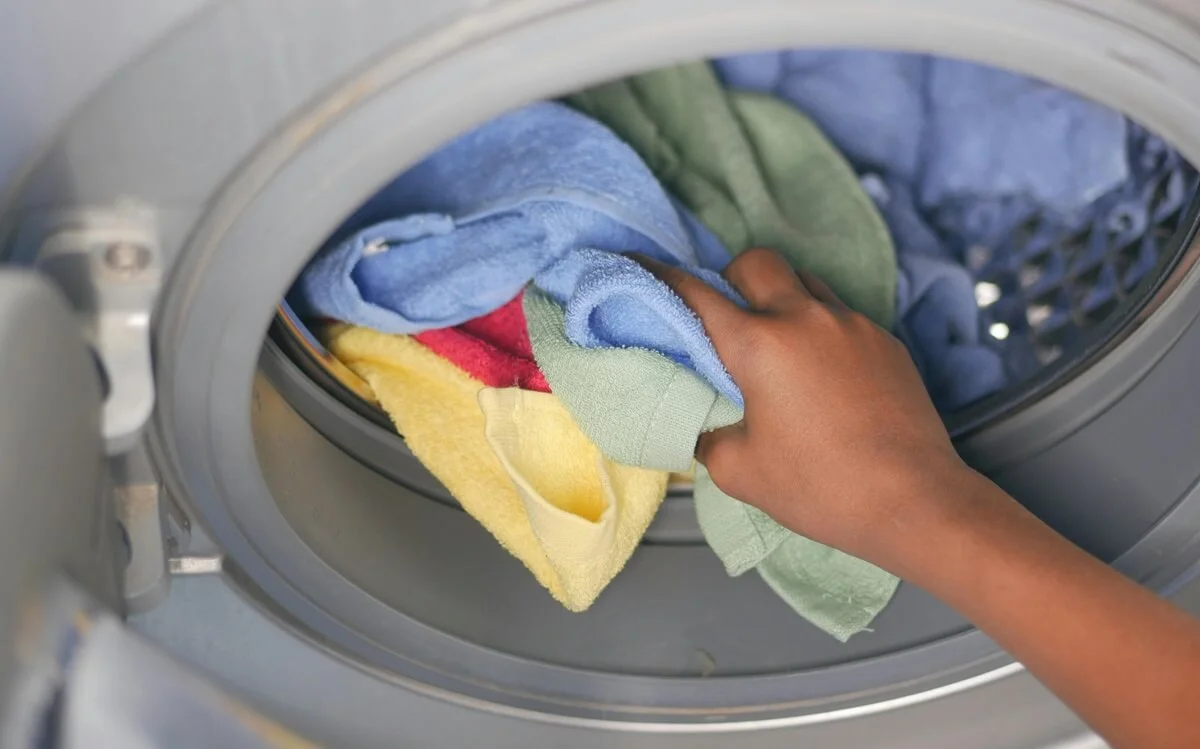
Washable covers can be washed at 30 degrees on the delicate cycle.
There are however exceptions, like the Theraline cushion of the
hammock Plus, which you
can wash at 60 °C. The base headrest, on the other hand, may only be
cleaned by hand-washing at maximum 40 °C.
Fabric covers of the bicycle trailer can be cleaned in the washing machine.
Therefore, always pay attention to the
specific care instructions in the user manual or
on our website to learn the right cleaning temperatures for the
various materials.
Partially disassemble the canopy
For comprehensive cleaning you can partially disassemble the fabric of your Qeridoo trailer
. How you best care for your Qeridoo and remove the covers
of the outer shell you'll learn
in our instructions
.
Note that the disassembly can vary depending on the model.
Tip #3
How to clean yellowed windows
Yellowed or cloudy windows are caused by sunlight and dirt.
To make the view clear again, first clean them
with lukewarm water and dish soap.
Cloudy and yellowed windows are caused by sunlight and dirt.
Then soak a soft cloth in a mixture of
lukewarm water and a bit of gentle glass cleaner to clean the
windows gently. For stubborn dirt you can also use a
commercially available grease remover.
Make sure to thoroughly dry the windows before your
child gets back into the bicycle trailer!
Tip #4
Avoid moisture and let the trailer dry
Moisture that forms on textiles can cause mold and damp spots
– especially when the bicycle trailer is
exposed to high humidity for longer periods
. This can happen for example when stored outdoors or in damp rooms
.
To avoid damage, you should
regularly clean the bicycle trailer and let it dry completely.
Mold can be prevented if the bicycle trailer is well dried.
After rides in rain or wet weather, you should carefully
dry the child bicycle trailer before stowing. Absolutely avoid
folding or covering the trailer while wet.
Tip: For rain rides use the optionally available
rain protection, which you'll find in our
accessory catalog. Remember that the
trailer must also be thoroughly dried after the ride with a rain protection
, before you store it.
Important:
Store your trailer in the winter months in a dry,
well-ventilated place.
Tip #5
Remove crumbs and food remains
Food remains and crumbs in the
child bicycle trailer can promote mold formation. Particularly
dangerous are milk or baby food remains, which can quickly lead to
unpleasant smells and mold.
Therefore make sure to thoroughly remove all remains,
before you store the bicycle trailer. This way you prevent not just
mold, but also pests from nesting in the trailer.
Tip #6
Remove mold in the bicycle trailer
For light mold infestation you can use mildly alcohol-containing cleaners or a mild soap solution – these are mostly effective in the early stages of mold formation.
However, avoid aggressive mold-killing agents,
since they are harmful to your child's health. If the mold has already spread strongly
, only replacing the affected fabric part helps. You'll find matching
spare parts in our spare parts catalog.
Last updated: February 5, 2026
Discover more articles
Deepen your knowledge with our recommended articles
FAQ – The most frequently asked questions about cleaning a bicycle trailer
What may I use to clean a bicycle trailer?
Only water and standard household care products such as washing-up liquid or textile care products, together with soft cloths, are suitable for cleaning. Harsh, abrasive, acidic or solvent-based cleaning agents are to be avoided, as they can damage the materials. For the canopy an impregnating spray is also recommended, and for moving metal parts a silicone spray.
Can I wash the fabric covers of the bicycle trailer in the washing machine?
Washable covers can be cleaned in the washing machine at 30 degrees on a gentle cycle. Headrests and seat belt pads, by contrast, must not go in the washing machine – a damp cloth is enough here. There are exceptions depending on the model: the Theraline cushion of the Qeridoo Hammock Plus may be washed at 60 °C, whereas the base headrest may only be hand-washed at a maximum of 40 °C. The care instructions in the user manual are always binding.
How do I prevent mold in the bicycle trailer?
The most important step is drying it consistently: after rides in the rain or in damp conditions, let the trailer dry completely before folding it up or storing it. Food remains, crumbs and milk or baby food residues should also be removed thoroughly after every use. In the winter months, storage in a dry, well-ventilated place is recommended.
How do I clean the windows of my bicycle trailer if they are cloudy or yellowed?
First wipe the windows with lukewarm water and washing-up liquid. For stubborn discoloration caused by sunlight and dirt, a soft cloth soaked in lukewarm water with a gentle glass cleaner works well. For particularly stubborn dirt a standard grease remover can also be used. After cleaning, let the windows dry completely before the child gets back in.
Can I clean the bicycle trailer with a pressure washer or garden hose?
No, that is not recommended. Pressure washers can permanently damage the seams, coatings and materials of the canopy and the padding. A strong jet of water can also drive moisture into areas that are hard to reach, which then dry poorly and encourage mold. It is better to work with a damp cloth and a mild cleaning agent.
How do I care for the canopy of my bicycle trailer correctly?
Wipe the canopy regularly with a soft, damp cloth and then let it dry completely. To maintain the water-repellent effect, treatment with a suitable impregnating spray is recommended. After rides in the rain, always leave the canopy open and let it air-dry before the trailer is stowed away – never fold it up while damp.
May I fold up and store the bicycle trailer while it is wet?
Absolutely not. A bicycle trailer folded up while damp develops mold and mildew stains very quickly – especially in the folds of the canopy and the padding. After every ride in the wet, the trailer must dry completely before it is folded and stored. That also applies if a rain cover was used.